
CCTV surveillance systems play an important role in protecting people, property, stock and operations. For retail and commercial environments, the right system improves visibility, supports investigations, deters criminal activity and helps teams monitor key areas of a site.
Not all systems are designed the same way. The most effective CCTV surveillance systems depend on the layout of the premises, the risks involved, the quality of coverage required, and whether the system needs to integrate with other security solutions.
Why CCTV Surveillance Systems Matter
A properly designed CCTV system helps organisations monitor what is happening across their site in real time and review recorded footage when needed. Key reasons businesses install CCTV include:
- Monitoring entrances and exits
- Reducing blind spots across the site
- Deterring theft and unauthorised activity
- Improving visibility in customer-facing and staff-only areas
- Supporting incident reviews and investigations
- Strengthening overall site security
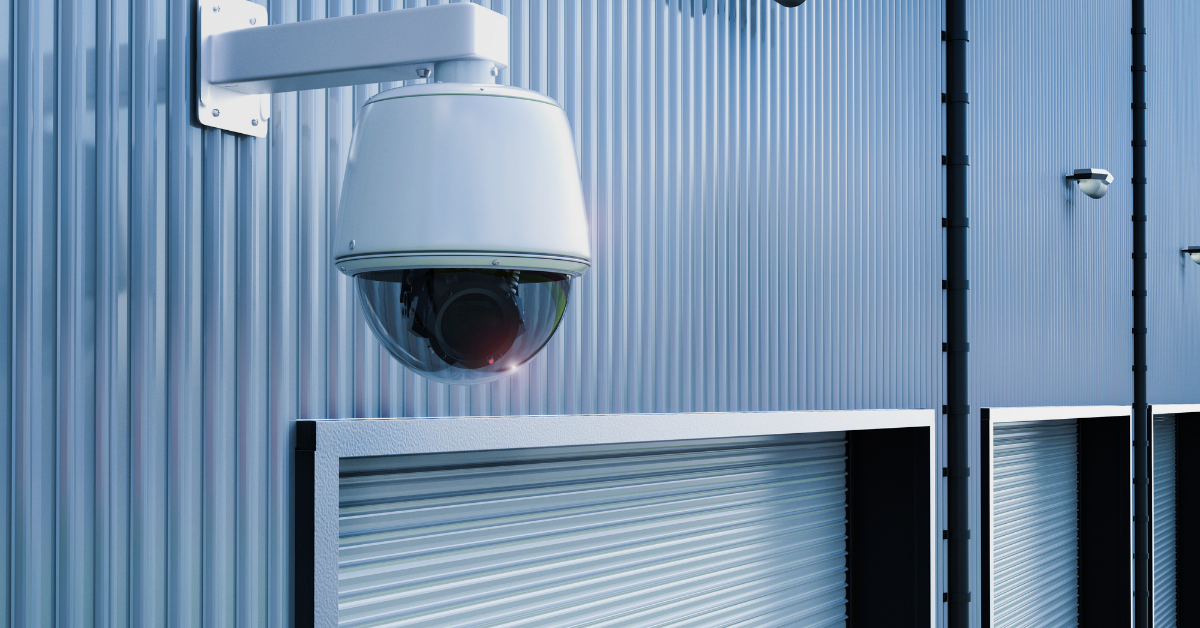
Where CCTV Is Commonly Used
Retail environments
Shop floors, tills, entrances, storerooms, delivery areas and parking, improving visibility around customer movement, stock handling and after-hours activity.
Corporate offices
Reception areas, entry points, parking, corridors and restricted access zones.

Industrial facilities
Perimeters, loading bays, production zones, dispatch areas and high-risk operational points.
Logistics and distribution sites
Access points, stock areas, receiving zones, dispatch points and vehicle movement areas.

Sports and event venues
Public areas, entry gates, control areas, back-of-house sections and crowd management support.
Residential complexes
Entrances, perimeter zones, common areas, parking and shared facilities.
What Should You Consider Before Choosing a CCTV System?
Selecting the right system starts with the site itself. A strong installation is based on operational needs, risk areas and the practical use of the footage.
1. Coverage requirements
Identify the areas that need monitoring most: entrances and exits, reception areas, cashier points, warehouse aisles, loading bays, parking areas, perimeter zones and staff-only areas. A site assessment determines where camera placement gives the best visibility while minimising blind spots.
2. Image quality
Footage is only useful if it is clear enough for monitoring and review. Higher-risk or high-traffic areas often require stronger image clarity than general overview areas.
3. Day and night performance
A CCTV system should perform reliably in changing light conditions, especially for external perimeters, parking areas, loading areas, warehouse entrances and sites operating after hours. Low-light visibility should be considered from the start, not added as an afterthought.
4. Recording and storage requirements
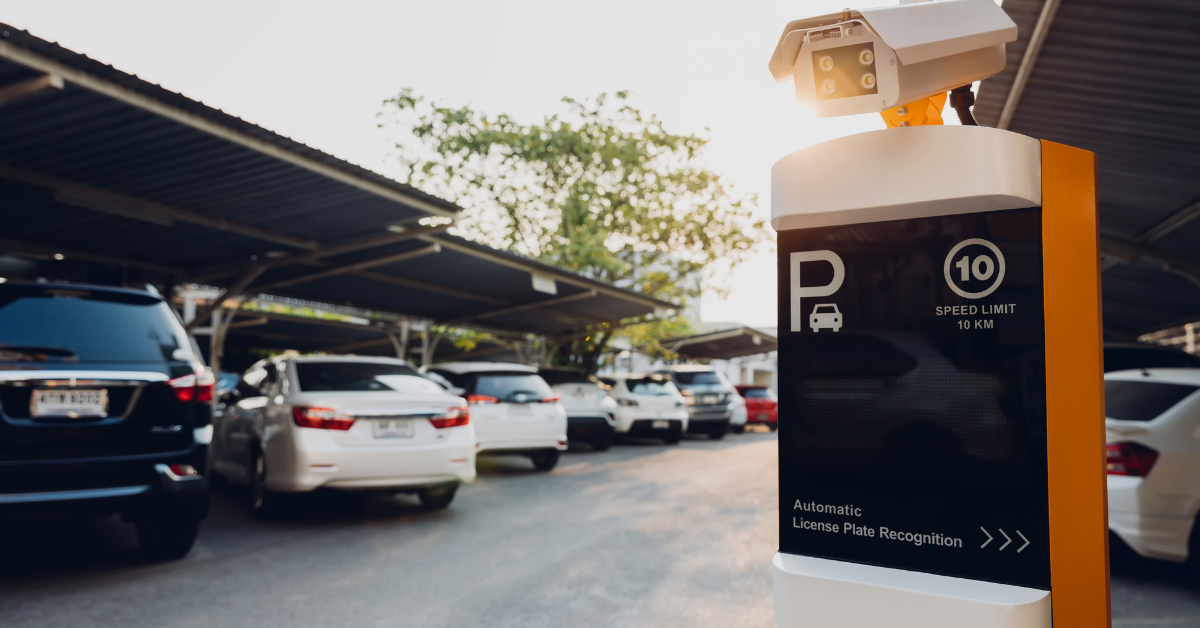
Decide how long footage needs to be retained. Storage planning should account for the number of cameras, recording quality, retention period and how often footage may need to be retrieved.
5. Remote viewing and monitoring
Some sites need live or recorded footage available remotely. This is especially useful for owners and managers overseeing multiple properties or distributed operations.
6. Indoor and outdoor suitability
Indoor, outdoor, exposed and high-traffic locations require different camera types and protection levels. Weather exposure, dust, heat and placement height all affect what equipment is suitable.
7. Integration with other security systems
CCTV becomes more valuable when it works alongside access control systems, biometric security solutions, alarm monitoring and site management procedures. An integrated security approach gives teams better visibility and faster response capability.
Common Mistakes to Avoid
- Placing cameras without a proper site assessment
- Focusing only on price instead of site needs
- Leaving blind spots in critical areas
- Underestimating storage needs
- Using poor placement angles
- Not planning for future expansion
- Installing a standalone system when integration would add more value
A better outcome usually comes from designing the system around the site rather than selecting equipment first.
How CCTV Supports Operational Visibility
CCTV is not only about reacting to incidents. Depending on the environment, it can help teams observe movement patterns, monitor deliveries and dispatch activity, review incidents more efficiently, verify entry and exit activity, and improve accountability in key operational areas.
Is CCTV Enough on Its Own?
In some smaller environments, CCTV may cover the most immediate monitoring need. For many sites, CCTV is strongest as part of a layered solution: access control manages who enters the site, CCTV visually verifies activity, biometric systems strengthen identity control, and integrated security solutions connect everything into one overall approach.
Final Thoughts
The best results come from a system planned around the site layout, risk profile, operational needs and future growth. A well-designed CCTV solution improves security, strengthens oversight and supports more informed incident response across the property.
Looking for a CCTV solution designed around your site requirements? Visit our CCTV Surveillance Systems page, or request a quote or book a site assessment to discuss your needs.